 Brahmi.in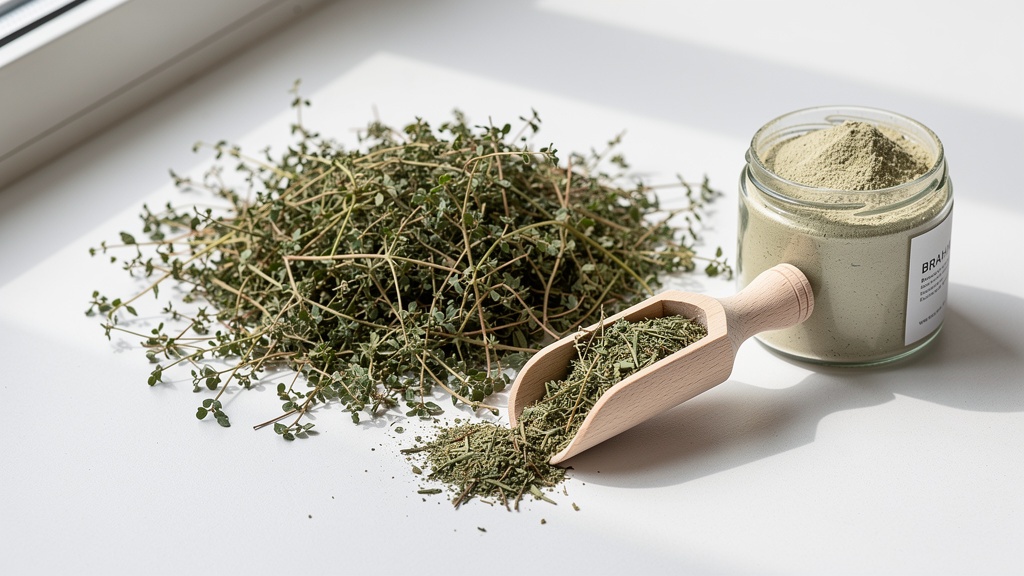
Available Forms of Brahmi
| Form | Description | Best For |
|---|---|---|
| Standardized Extract (Capsules/Tablets) | Concentrated bacosides (usually 20–55%), most studied form | Consistent dosing, clinical results |
| Brahmi Powder (Churna) | Dried, ground whole herb | Traditional Ayurvedic use |
| Brahmi Tea | Infusion of dried or fresh leaves | Gentle daily use, mild effect |
| Tincture / Liquid Extract | Alcohol or glycerin extract | Fast absorption, flexible dosing |
| Fresh Leaves | Raw or juiced | Traditional use, culinary |
| Medicated Ghee (Ghrita) | Ghee infused with Brahmi | Ayurvedic protocol |
Recommended Dosage
Dosage depends on the form and the concentration of active compounds. The following are evidence-based ranges from clinical research and Ayurvedic practice.
Standardized Extract (Capsules)
Most clinical trials use 300–600 mg/day of an extract standardized to 50% bacosides. Lower bacoside percentages require proportionally higher doses.
Brahmi Powder (Whole Herb)
Traditional Ayurvedic dosage: 1–3 grams/day (one quarter to half a teaspoon), usually taken with warm milk, ghee, or honey.
Brahmi Tea
Steep 1–2 teaspoons of dried Brahmi leaves in hot water for 10–15 minutes. Drink 1–2 cups daily. Tea is milder and less concentrated than extracts.
Tincture
Follow manufacturer instructions. Typical dosage: 30–60 drops (1–2 ml) in water, 2–3 times daily.
⚠️ Important: Start with a lower dose for the first week to assess tolerance, then gradually increase to the full dose. Brahmi's cognitive effects are cumulative and typically become noticeable after 4–6 weeks of consistent use.
When & How to Take It
- With food: Take Brahmi with a meal or snack containing healthy fats (ghee, coconut oil, nuts, avocado) to enhance absorption of fat-soluble bacosides.
- Morning or afternoon: Most people prefer taking it in the morning or early afternoon to align with cognitive demands. Some find it mildly stimulating; avoid late evening if it affects sleep.
- Consistency matters: Studies showing cognitive benefits used daily supplementation for 8–12 weeks. Sporadic use is unlikely to produce measurable effects.
- Cycling: Some practitioners recommend cycling (e.g., 12 weeks on, 2–4 weeks off), though there is no strong evidence for or against this practice.
Duration of Use
Clinical studies demonstrating cognitive benefits typically use 8–12 week protocols. The effects appear to build gradually and persist for some time after discontinuation, though long-term safety data beyond 12 months of continuous use is limited.
In Ayurveda, Brahmi is used as a Rasayana (rejuvenative tonic) and may be taken in seasonal cycles or as a long-term daily supplement under professional guidance.
Preparation Methods
Brahmi Powder with Warm Milk
Traditional Ayurvedic method: Mix 1–3 grams of Brahmi powder with warm milk and a teaspoon of ghee or honey. Stir well and drink before bed or in the morning.
Brahmi Tea
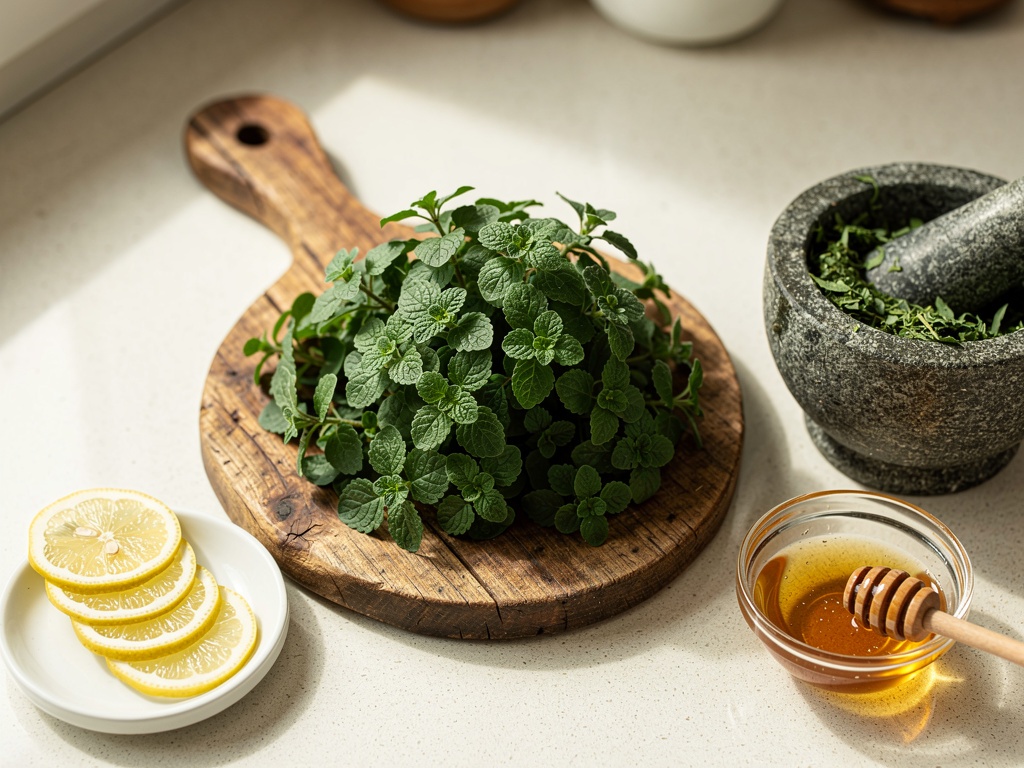
Add 1–2 tsp dried Brahmi leaves to a cup of boiling water. Cover and steep for 10–15 minutes. Strain and add honey or lemon to taste.
Brahmi Ghee (Brahmi Ghrita)
A traditional Ayurvedic preparation made by simmering Brahmi paste with ghee. Used in Ayurvedic medicine under practitioner supervision.
Quality & Sourcing Tips

- Look for standardized extracts with a guaranteed bacoside content (20–55%).
- Check for third-party testing (USP, NSF, or independent lab verification).
- Avoid products labeled simply “Brahmi” without specifying Bacopa monnieri — they may contain Gotu Kola (Centella asiatica) instead.
- Prefer reputable brands with transparent sourcing and manufacturing practices.
- Store in a cool, dry place away from direct sunlight.
Medical Disclaimer: This information is for educational purposes only. Consult a qualified healthcare practitioner before starting any supplement regimen.