 Brahmi.in

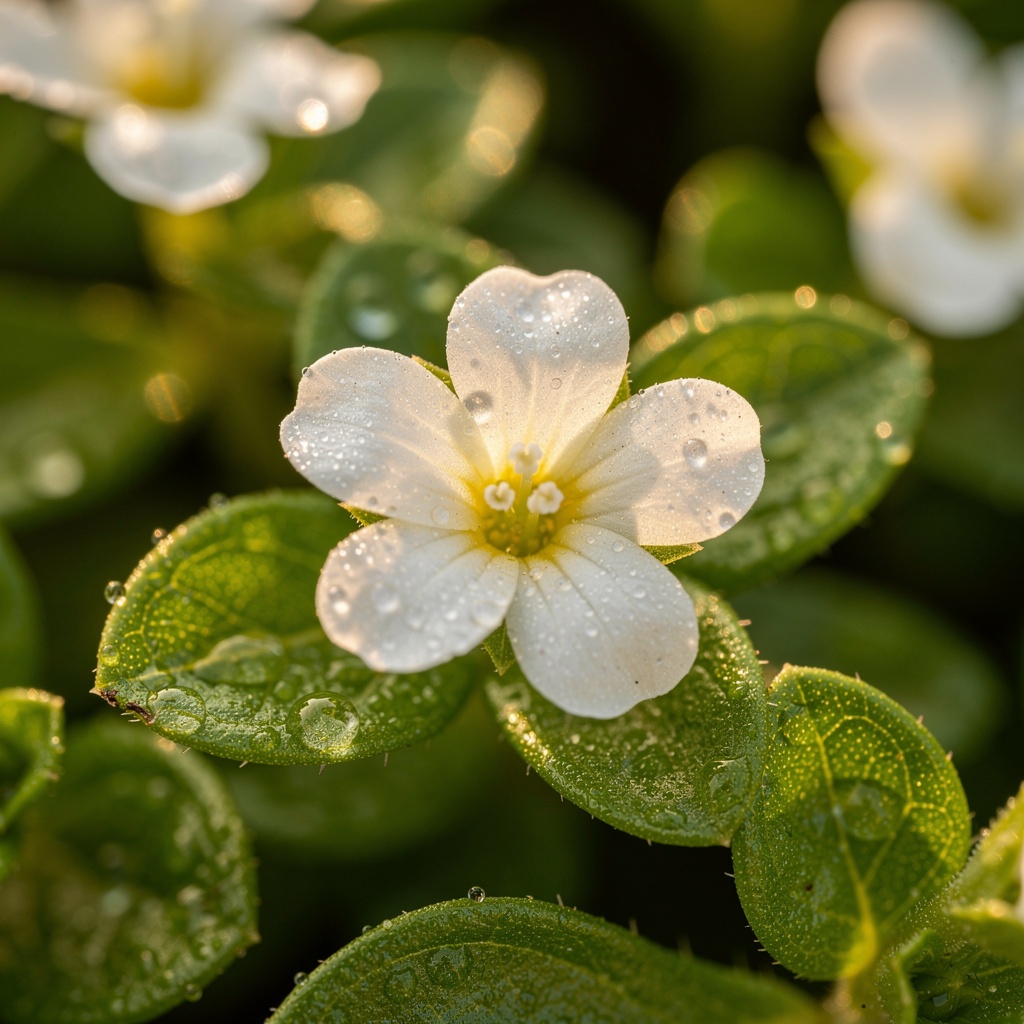
Brahmi (scientific name Bacopa monnieri) is a creeping, succulent perennial herb that grows in wetlands across India, Southeast Asia, and other tropical regions. It has been used in Ayurvedic medicine for approximately 3,000 years as a Medhya Rasayana (brain tonic) to support memory, learning, and mental clarity. It is also known as water hyssop, herb of grace, or Indian pennywort.
No. This is the most common point of confusion. Bacopa monnieri (Brahmi) and Centella asiatica (Gotu Kola) are different plants with different active compounds, traditional uses, and safety profiles. Brahmi is primarily used for cognitive support; Gotu Kola is traditionally used for wound healing and skin health. However, in many parts of India, the name “Brahmi” is used for both plants. See our detailed comparison page.
Cognitive benefits from Brahmi are cumulative, not immediate. In clinical studies, improvements in memory and learning typically become noticeable after 4–6 weeks of daily use, with maximum effects seen after 8–12 weeks. Acute (single-dose) studies have not shown significant cognitive effects. This is why consistency matters when taking Brahmi.
- Standardized extract (capsules): 300–600 mg/day of extract standardized to 50% bacosides.
- Whole herb powder: 1–3 grams/day (about 1/4 to 1/2 teaspoon).
- Tea: 1–2 cups daily, using 1–2 teaspoons of dried leaves per cup.
- Tincture: Follow manufacturer instructions (typically 30–60 drops, 2–3 times daily).
Always start with the lower end of the dose range for the first week to assess tolerance. Take with food containing healthy fats for better absorption.
Brahmi is generally well-tolerated. The most commonly reported side effects are gastrointestinal: nausea, dry mouth, abdominal cramping, bloating, and diarrhea. These are usually mild to moderate and dose-dependent, often resolving when the dose is reduced or the herb is taken with food. Less common side effects include fatigue, headache, and increased heart rate in sensitive individuals.
No. Brahmi is not recommended during pregnancy or breastfeeding due to insufficient safety data in humans. Some older animal studies suggest possible uterine-stimulating effects at very high doses. Until more is known, it is safest to avoid Brahmi entirely if you are pregnant, planning to become pregnant, or breastfeeding.
Preliminary research is promising but not conclusive. One small pilot study in children with ADHD found improvements in attention, impulsivity, and cognitive flexibility after 12 weeks of Bacopa supplementation. However, there are very few studies, all small in size. Brahmi is not a substitute for standard ADHD treatment but may serve as a supportive supplement under professional guidance.
Clinical trials have used Brahmi safely for up to 12 months of continuous use. In Ayurveda, it has been used as a long-term rejuvenative tonic for centuries. However, formal safety data beyond one year is limited. Some practitioners recommend cycling (e.g., 12 weeks on, 2–4 weeks off), though there is no strong evidence for or against this practice.
Yes! Brahmi is one of the easiest medicinal herbs to grow. It is a wetland plant that thrives in consistently moist or waterlogged soil, partial shade, and warm temperatures. It can be propagated easily from stem cuttings and grows quickly. See our complete growing guide.
- Check that the label says Bacopa monnieri (not just “Brahmi”)
- Look for standardized bacoside content (20–55%)
- Choose brands with third-party testing (USP, NSF, or independent lab)
- Transparent sourcing and manufacturing practices
Brahmi may interact with certain medications. Known and theoretical interactions include:
- Anticholinergic drugs — possible additive effect
- Thyroid medications — may increase T4 levels
- Sedatives / Anxiolytics — possible additive sedation
- Anticoagulants — theoretical interaction
Always consult your doctor before combining Brahmi with any prescription medication.
No. Brahmi is not an “acute” cognitive enhancer like caffeine or some synthetic nootropics. Single-dose studies have not found significant cognitive improvements. The benefits of Brahmi build up gradually over weeks of consistent use, which aligns with its traditional use as a long-term Rasayana (rejuvenative) rather than an immediate pick-me-up.
Most people prefer taking Brahmi in the morning or early afternoon, ideally with a meal that contains healthy fats (for bacoside absorption). Some individuals find Brahmi mildly stimulating; if you notice this, avoid taking it late in the evening. Others find it relaxing — adjust the timing based on your personal response.
Medical Disclaimer: The information on this page is for educational purposes only. Consult a qualified healthcare professional before using Brahmi or any dietary supplement.